Post-Possession Maintenance Charges: What Are You Actually Paying For?
Demystifying Your Monthly Maintenance Bill
Moving into your new home marks the end of the property search, but it introduces a new recurring obligation: the monthly maintenance charge. While these payments are mandatory for the upkeep of a gated community, many homeowners find the breakdown confusing. Understanding where your money goes is essential for transparent living.
The Core Components: What You Are Paying For
Maintenance charges are generally divided into fixed costs and variable operational expenses. These typically cover:
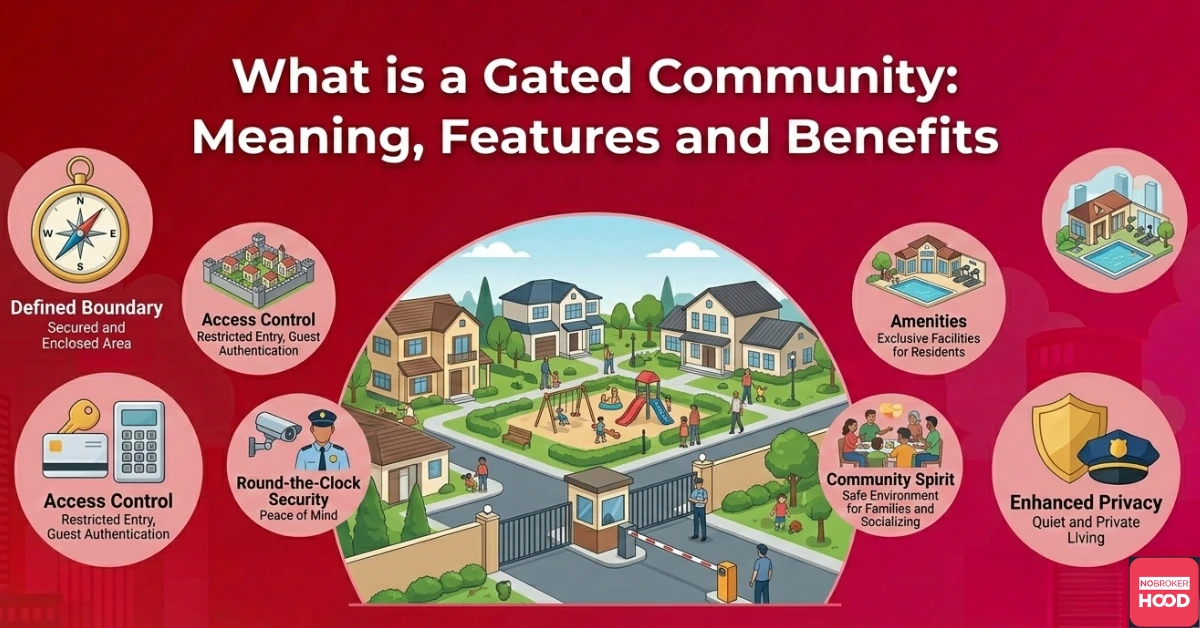
- Security Services: The costs associated with 24/7 gate security, CCTV monitoring, and intercom systems.
- Housekeeping and Sanitation: Cleaning of common areas, garbage collection, and pest control.
- Common Area Utilities: Electricity bills for street lighting, water pumps, lifts, and clubhouse operation.
- Annual Maintenance Contracts (AMCs): Regular servicing of elevators, generators, and fire safety equipment.
Distinguishing Essential Services from Sinking Funds
It is important to differentiate between immediate operational costs and long-term financial planning. While service charges pay for daily operations, most Resident Welfare Associations (RWAs) also collect a Sinking Fund (or Corpus Fund).
A sinking fund is a reserve maintained for major structural repairs or unexpected capital expenditures that fall outside the scope of daily maintenance.
While you cannot opt out of essential service charges, you should query your RWA on how the sinking fund is managed. This money should ideally be held in a separate interest-bearing account, earmarked specifically for future asset replacement, such as replacing a lift motor or conducting major building repairs years down the line.
Tips for New Homeowners
- Review the Bylaws: Always ask for the RWA or society bylaws that dictate how maintenance is calculated—whether it is based on square footage or a flat per-unit rate.
- Audit the Budget: Participate in the Annual General Body Meeting to review the expenditure report. Transparency is your right as a member.
- Ask About Surplus: If the RWA collects more than necessary for operational costs, inquire if the surplus is being transferred to the sinking fund or held for future projects.
By staying informed and engaged with your housing society, you ensure that your maintenance payments are working as efficiently as possible to protect your property investment.